
Blackjack, also called 21, is a card game played against the dealer. Each player tries to finish with a hand closer to 21 than the dealer's without going over, which is called busting. It is the most widely played casino table game and, played well, one of the games with the lowest house edge.
How it works
Cards two to ten count at face value, picture cards count as ten and an ace counts as one or eleven, whichever helps the hand. Each player and the dealer receive two cards; the dealer's second card is dealt face down (the hole card). An ace with a ten-value card as the first two cards is a blackjack and normally pays 3:2.
Players act in turn:
- Hit — take another card.
- Stand — keep the current total.
- Double down — double the bet and take exactly one more card.
- Split — separate a pair into two hands, adding a second bet of the same size.
The dealer then reveals the hole card and draws to a fixed rule: hit on 16 or less and stand on 17 or more. Some tables make the dealer hit a "soft 17" (a 17 that counts an ace as eleven), which slightly favours the house. When the dealer shows an ace, players may be offered insurance, a side bet paying 2:1 if the dealer has blackjack.
Odds and house edge
A player following basic strategy (the mathematically best decision for every hand against every dealer upcard) faces a house edge of roughly 0.5% under common rules. Rule changes move that figure: paying blackjacks at 6:5 instead of 3:2 adds about 1.4 percentage points, and more decks or hitting soft 17 add a little more. Insurance is a poor bet for players who are not counting cards. Card counting (tracking the ratio of high to low cards left in the shoe) can shift the odds in land-based games, but online RNG games reshuffle every hand and live tables use deep shuffles, which removes most of the advantage.
Why it matters for operators and suppliers
Blackjack is a core product for live casino studios, which run everything from low-limit tables to VIP salons and "infinite" formats that let an unlimited number of players share one hand. Because the base game has a thin margin, the side bets (perfect pairs, 21+3 and similar) matter commercially: they carry much higher edges and lift the table's overall hold. Rule sets are a competitive lever: 6:5 payouts or dealer-hits-soft-17 improve margin but are noticed by experienced players.
Example
A player bets 10 and is dealt an ace and a king. At a 3:2 table the blackjack pays 15; at a 6:5 table it pays 12. Over thousands of hands, that difference alone is worth around 1.4% of everything wagered to the operator.
Frequently asked questions
A table of the best play for every combination of player hand and dealer upcard, calculated by computer simulation. Following it keeps the house edge to roughly half a percent under common rules.
A blackjack paid at 6:5 returns 1.2 times the stake instead of 1.5 times, which adds about 1.4 percentage points to the house edge.
Not in RNG blackjack, which reshuffles after every hand. Live tables deal from shoes that are shuffled well before they run out, which largely removes the advantage.
Providers to compare
From Live Casino Provider in the supplier directory.
- Queen BeeQueen Bee 🐝is the world’s leading B2B supplier of innovative visual studio products for Live dealer content creators in broadcast and enter…

- Allbet GamingAllbet Gaming: Premier Live Dealer Supplier for iGaming Operators Allbet Gaming is a prominent live dealer supplier and iGaming platform pro…

- Amber StudiosAmber Studios is a leading live dealer studio provider delivering dedicated and shared live casino solutions for iGaming operators. With ove…

- American Gaming SystemsAmerican Gaming Systems (AGS), operating as PlayAGS, Inc., is a prominent Las Vegas-based provider of B2B gaming solutions. Since its foundi…

- AWAGERAWAGER: Live Physical Slots & ETG Streaming for B2B Casino Solutions Awager enhances the iGaming experience by livestreaming real physical s…

- BetConstructBetConstruct is a global iGaming technology provider offering a comprehensive ecosystem of platforms, tools, and solutions for operators wor…

All 41 in Live Casino Provider →All 443 in Game Development →
Table Games in the directory
 Baccarat Deluxe
Pocket Games Soft · 98.76% – 98.94% RTP · Low
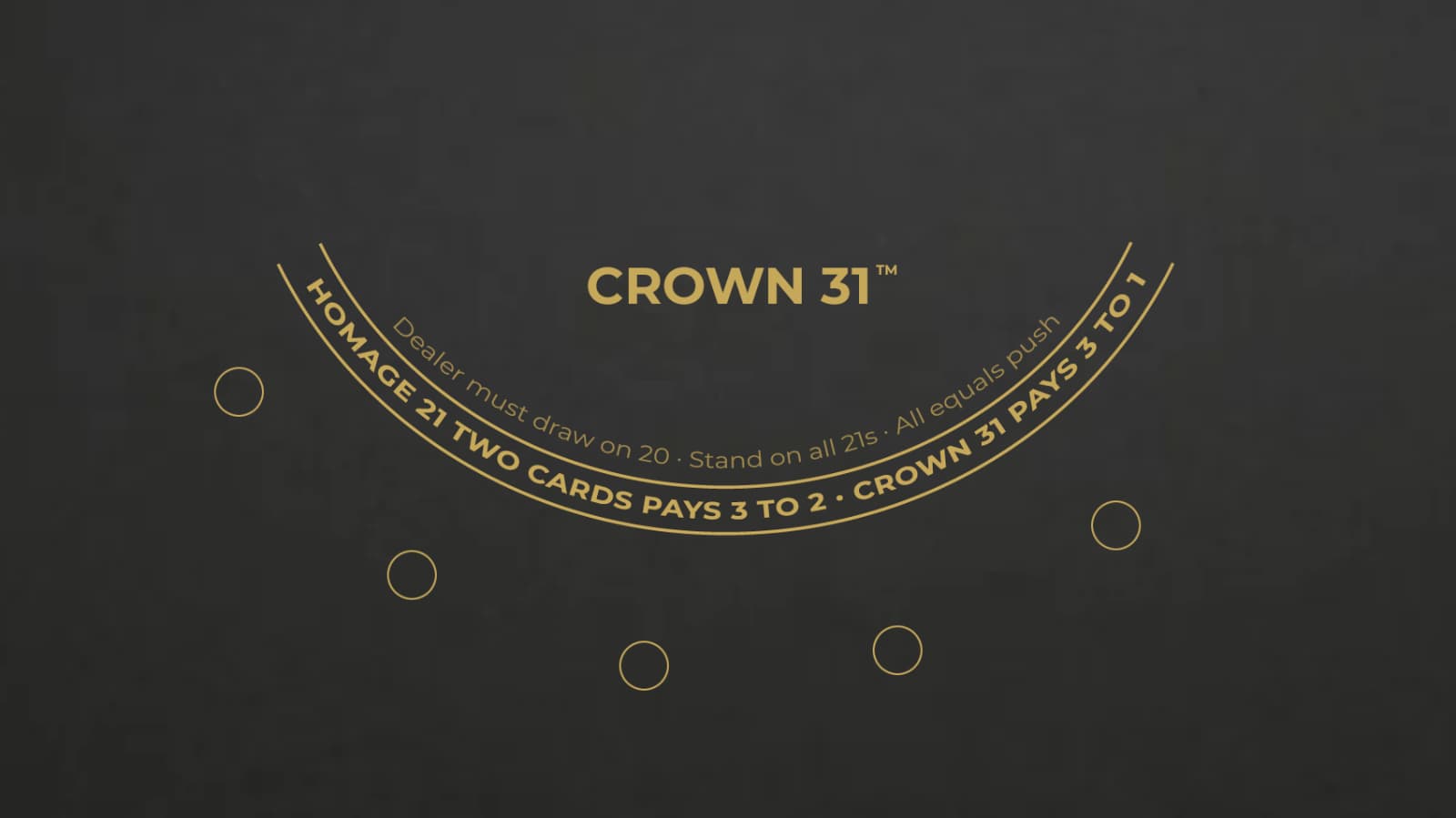 Crown31
Wagercomms
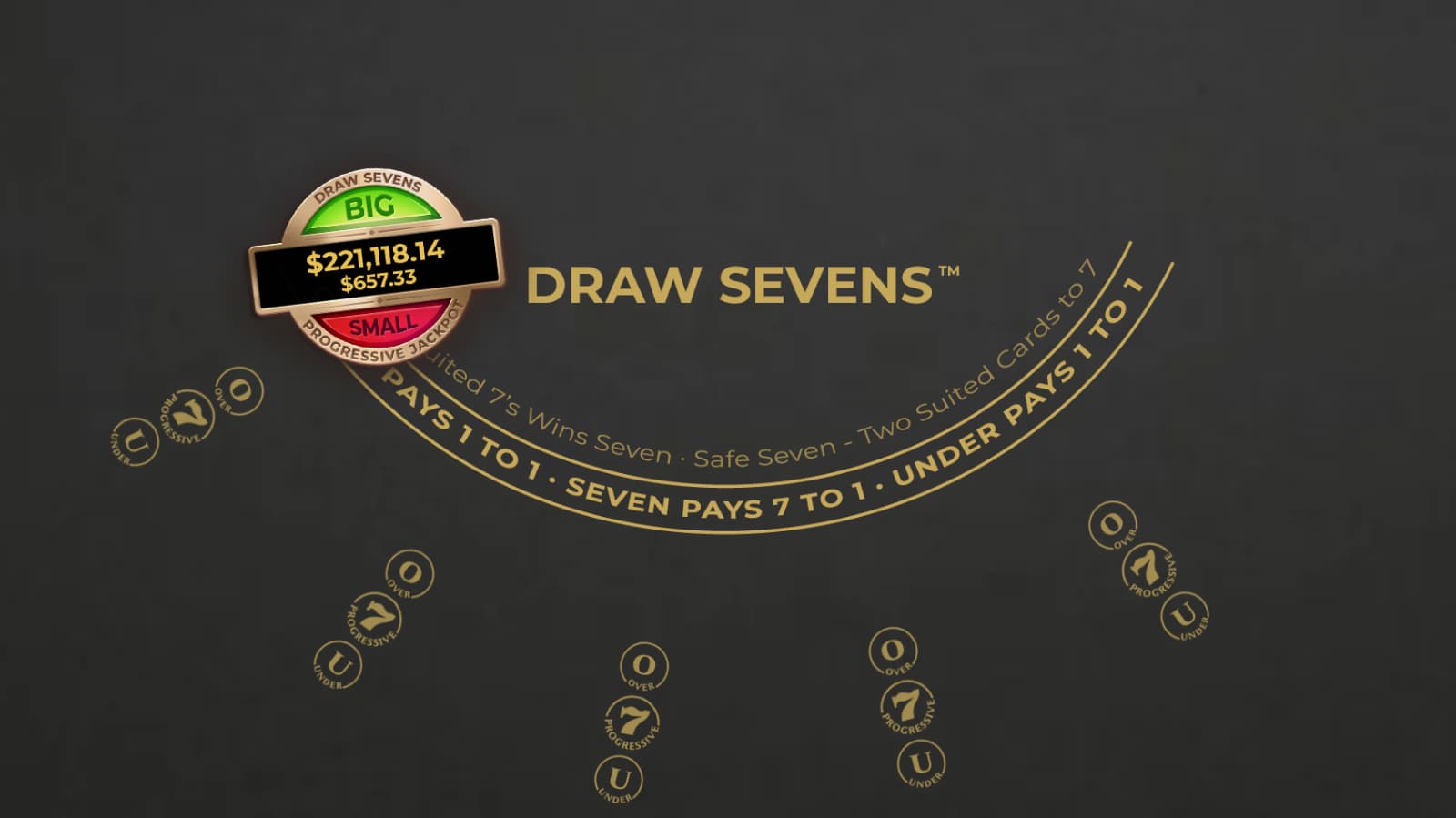 Draw Sevens
Wagercomms
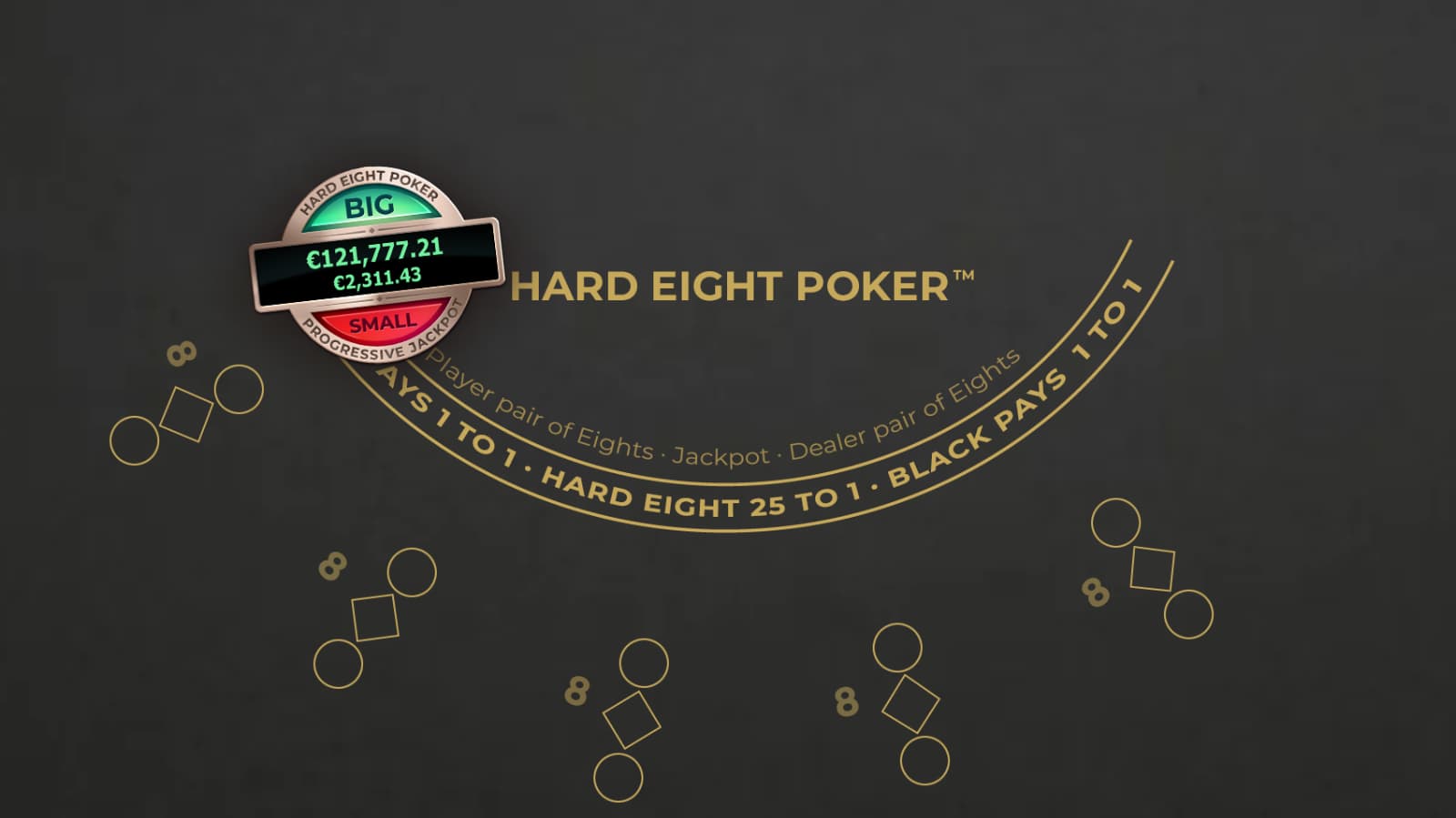 Hard Eight Poker
Wagercomms · 97.26% RTP
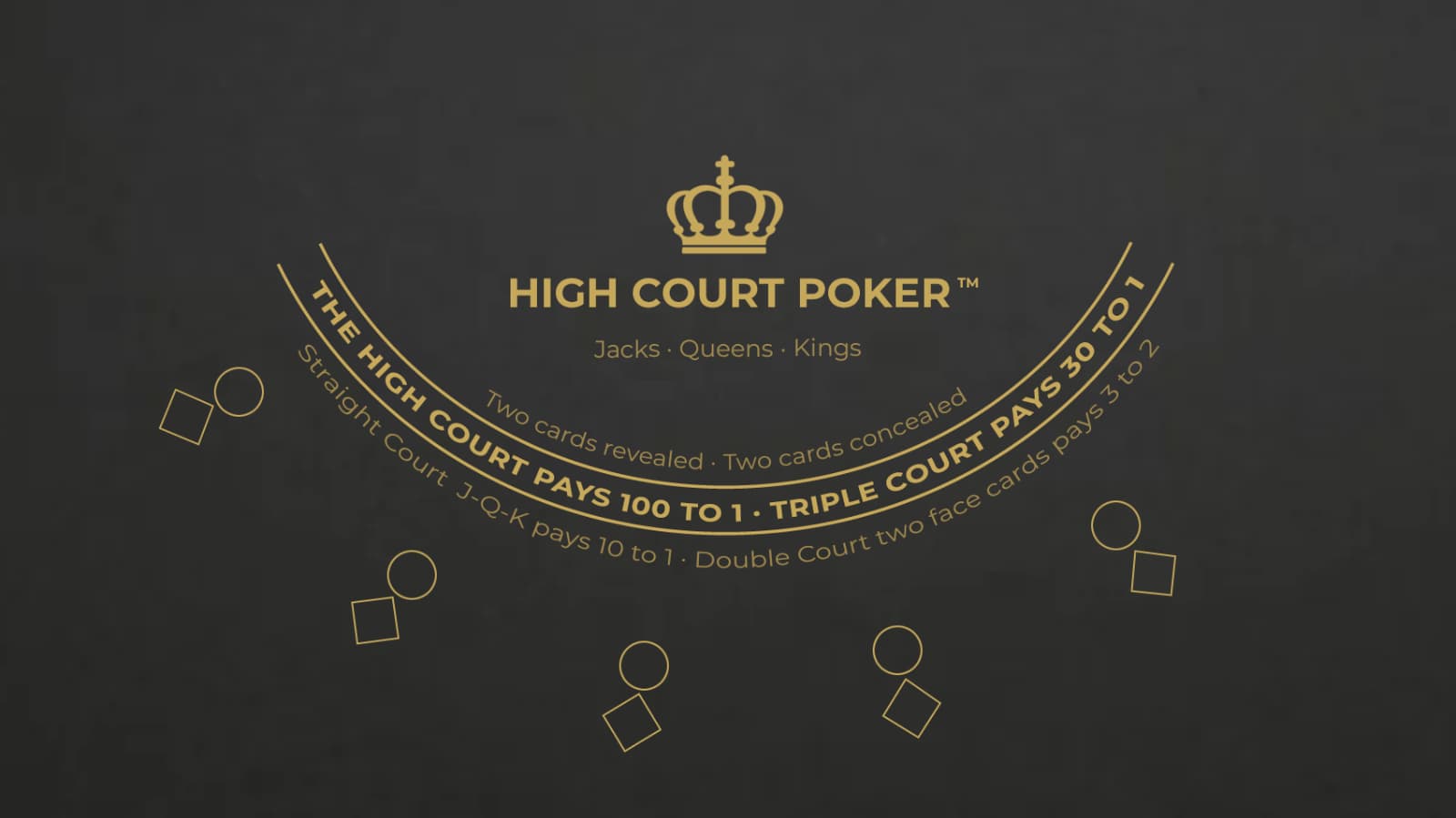 High Court Poker
Wagercomms · 97.26% RTP
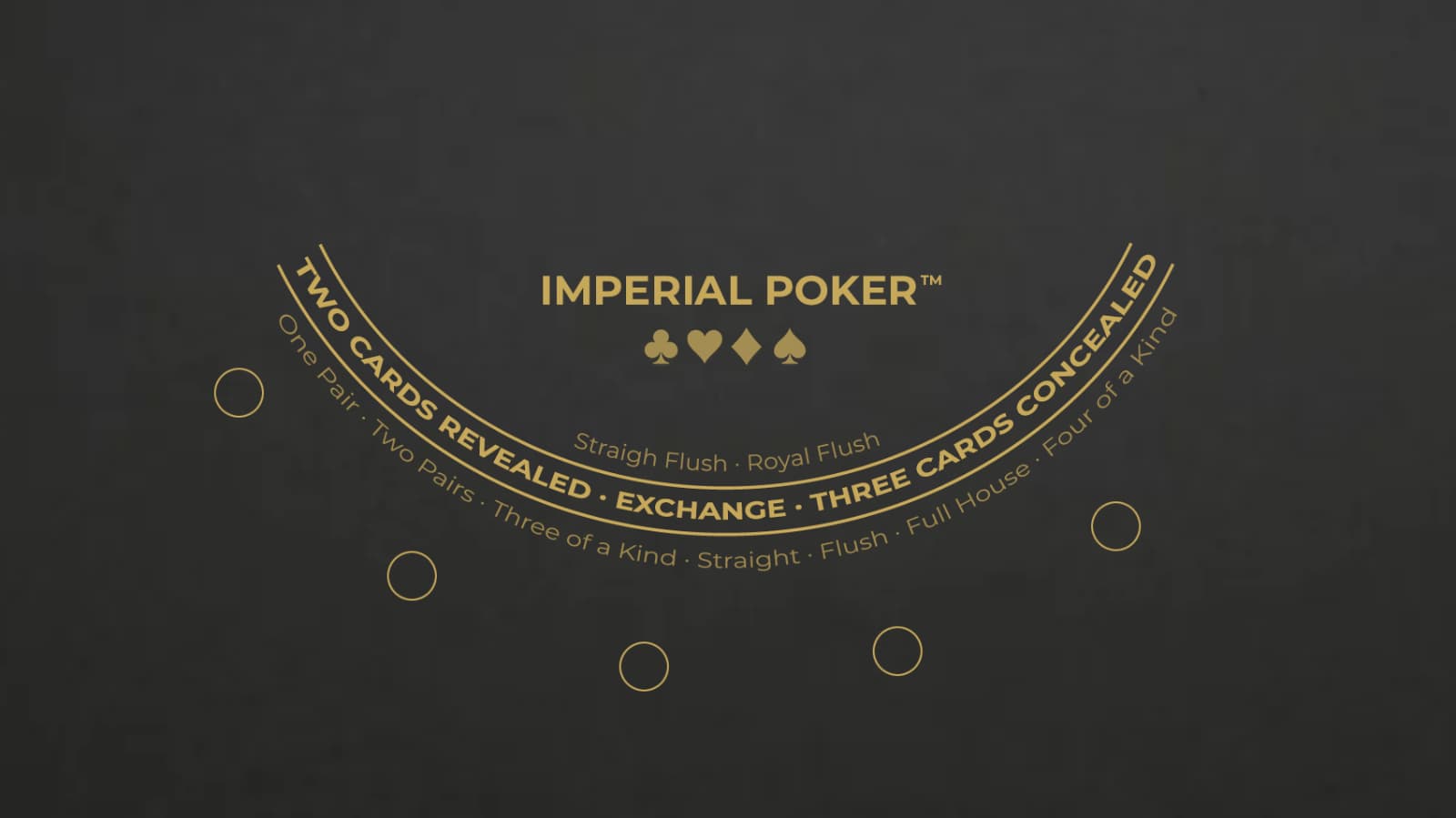 Imperial Poker
Wagercomms
 Million Baccarat
Million Games · 98.94% RTP
 Million Blackjack London Deal
Million Games · 99.56% RTP
 Million Blackjack Peek
Million Games · 99.59% RTP
 Mini Roulette
Spribe · 97.3% RTP · Medium
More game guides
- Caribbean Stud PokerCaribbean Stud Poker is a five-card stud game played against the dealer, with an optional progressive jackpot side bet for the rarest hands.
- Casino Hold'emCasino Hold'em is a house-banked version of Texas Hold'em in which each player plays one hand against the dealer rather than against other players.
- CrapsCraps is a dice game in which players bet on the outcome of rolls of two dice. Its Pass Line and Odds bets are among the best value in the casino.
- Dragon TigerDragon Tiger is a two-card game in which players bet on whether the Dragon or Tiger position gets the higher card. One card each decides the round.
- European RouletteEuropean roulette uses a wheel with a single zero and 37 pockets, giving a house edge of 2.70% against 5.26% for the double-zero American wheel.
- KenoKeno is a lottery-style game in which players pick numbers from 1 to 80 and are paid by a paytable according to how many of the 20 drawn numbers they match.