
Pai Gow Poker is a casino table game played with a 52-card deck plus one joker. Each player receives seven cards and splits them into two hands: a five-card high hand and a two-card low hand. To win, both hands must beat the dealer's. The game adapts the Chinese domino game pai gow to poker cards and was introduced in American casinos in the 1980s.
How it works
The five-card hand must rank higher than the two-card hand. In the two-card hand the only combinations are a pair or high cards, so straights and flushes do not count there. The joker can be used as an ace or to complete a straight, flush or straight flush.
After the player sets both hands, the dealer sets the dealer's hands using a fixed set of rules called the house way. Each hand is compared with the dealer's corresponding hand:
- Both win: the player is paid 1:1, minus a 5% commission.
- One wins, one loses: the bet is a push and is returned.
- Both lose: the player loses the bet.
If a player's hand exactly equals the dealer's (a copy), the dealer wins that hand. This rule is one of the sources of the house edge.
Odds and house edge
Around four rounds in ten end in a push, which makes Pai Gow Poker one of the slowest and least volatile casino games. For a player who follows the house way, the house edge is roughly 2.5–2.8% including the commission. Some casinos let players act as the banker in turn, and many offer side bets on the seven-card hand, such as a "Fortune" bonus, at higher margins.
Why it matters for operators and suppliers
Pai Gow Poker appeals to players who want long sessions on a modest budget, and it has a loyal audience among players familiar with Asian table games. Online it is mostly offered as an RNG game, where the game can suggest the house-way split, and in some live casino lobbies. Because pushes are so frequent, it produces low revenue per hour, so its value lies in variety and in the side bets.
Example
A player bets 100 and sets a flush as the high hand and a pair of 8s as the low hand. The dealer's hands are two pair and ace-king. Both player hands win, so the player is paid 95 after the 5% commission.
Frequently asked questions
The fixed rules the dealer uses to split seven cards. Players may follow it, and many online versions offer to set the hand that way automatically.
A hand that exactly matches the dealer's is a copy, and copies go to the dealer. A push only happens when one hand wins and the other loses.
Wins pay even money, and the commission, together with copies going to the dealer, is what gives the house its edge.
Providers to compare
From Game Development in the supplier directory.
- Amigo GamingAmigo Gaming is a Barcelona-based game development studio specializing in high-quality HTML5 online slot games. Founded in 2020, the company…

- 100HP Gaming100HP is a game studio specializing in Crash and Instant games designed to drive strong business performance. Its titles engage players from…

- 155.io155, launched in 2024, creates content and games designed for a mobile-first world. The name “155” is inspired by the iPhone 15’s 155mm disp…
- 18Peaches18Peaches is a B2B iGaming game provider developing HTML5 casino games for online operators. Founded in 2022, the company combines slot mech…

- 1spin4win1spin4win is an iGaming studio established in 2021, focusing on B2B casino games . Based in the EU , this slot provider specializes in "Good…

- 1X2 Network1X2 Network , originally Football 1x2 Ltd, stands as a distinguished UK-based B2B iGaming solutions provider . With over two decades of expe…

All 443 in Game Development →All 41 in Live Casino Provider →
Table Games in the directory
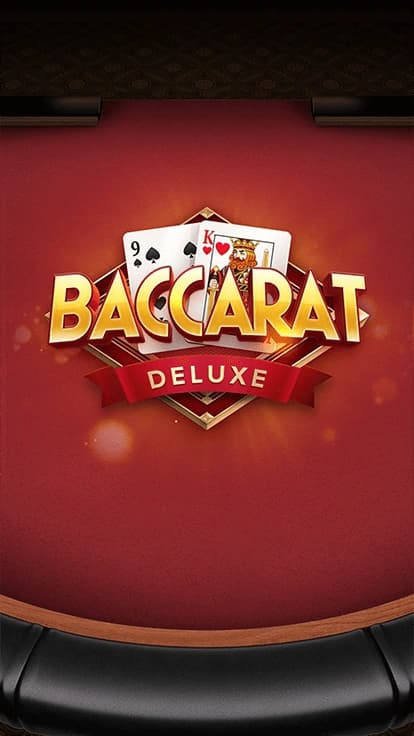 Baccarat Deluxe
Pocket Games Soft · 98.76% – 98.94% RTP · Low
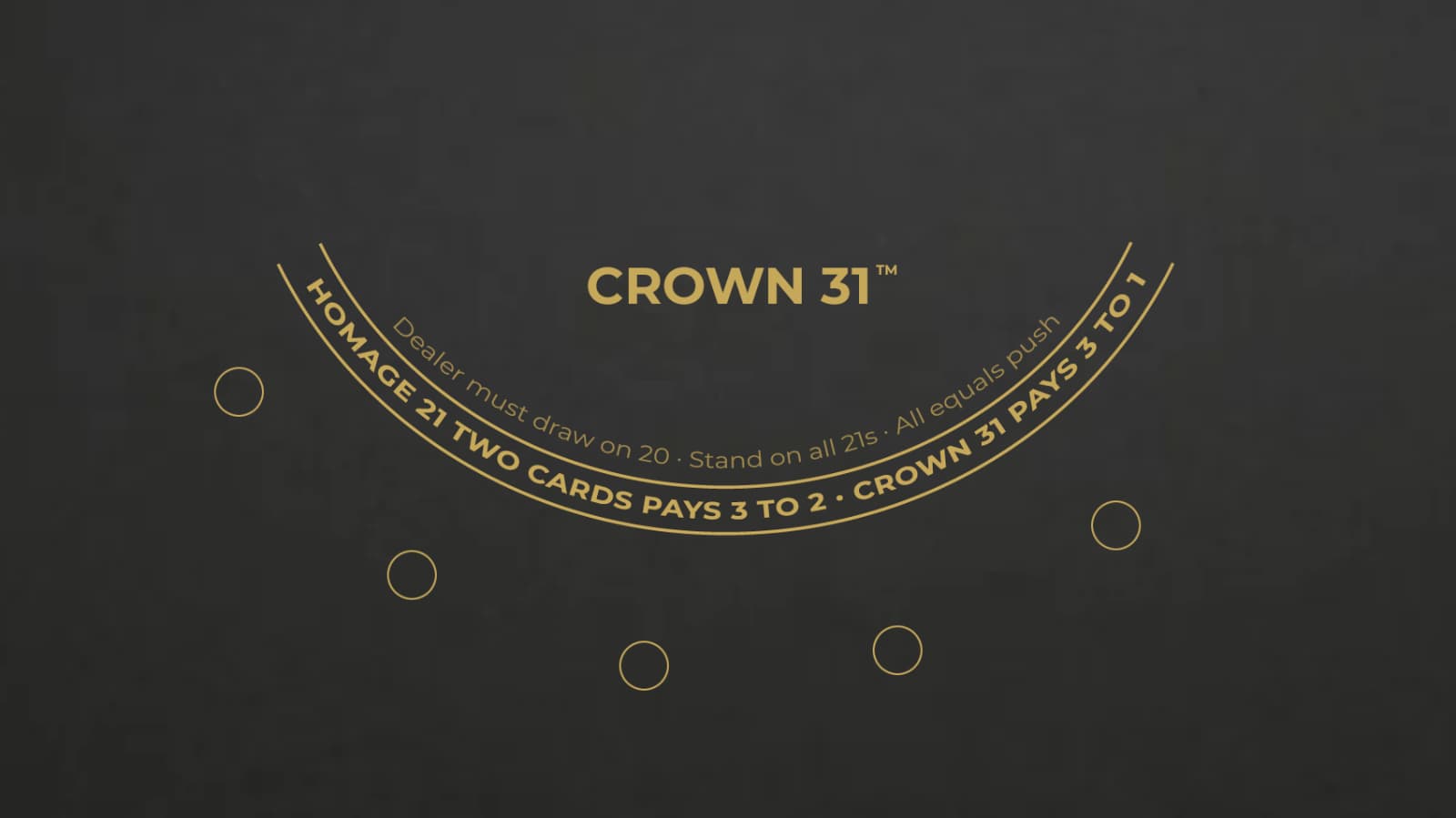 Crown31
Wagercomms
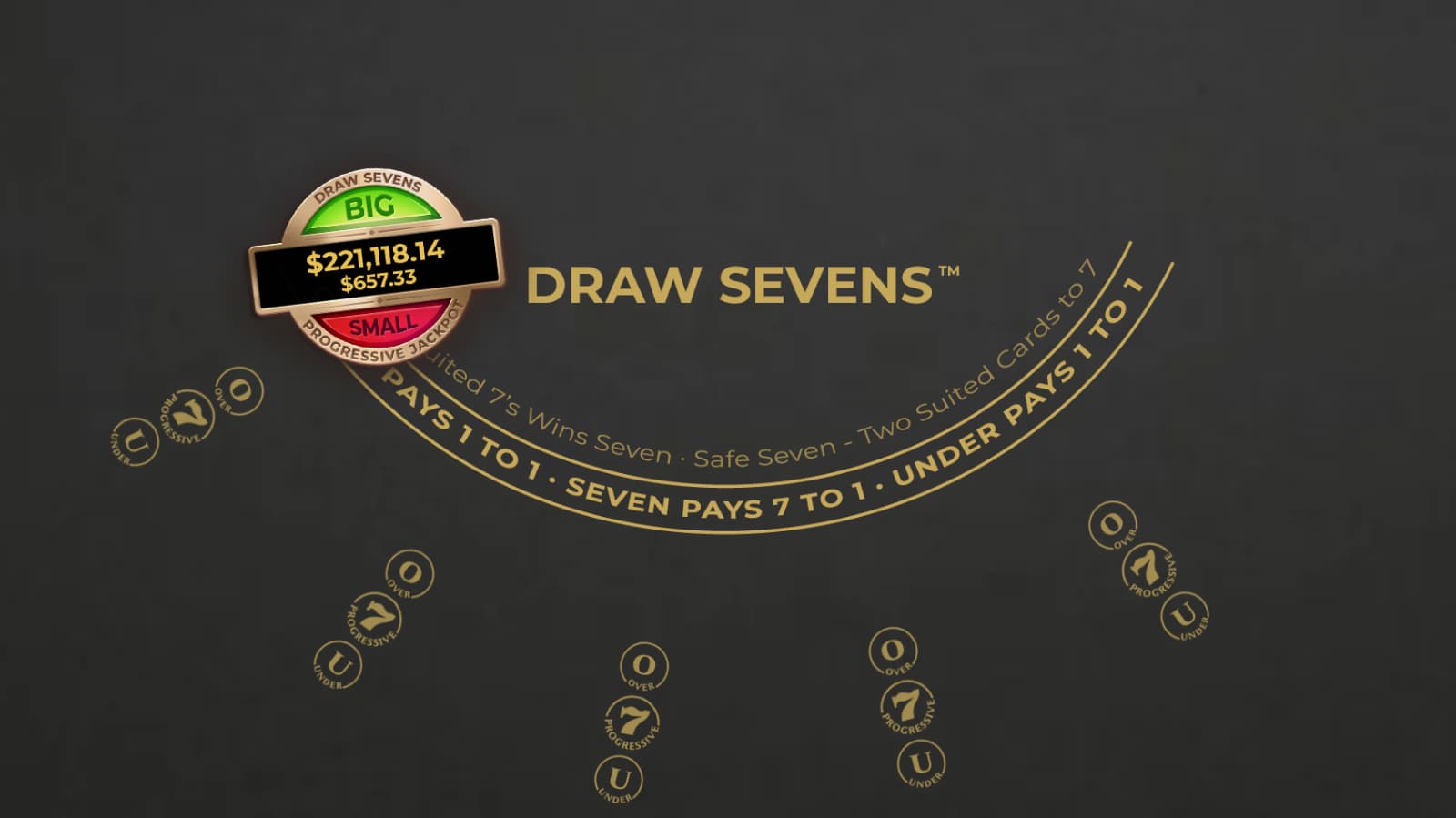 Draw Sevens
Wagercomms
 Hard Eight Poker
Wagercomms · 97.26% RTP
 High Court Poker
Wagercomms · 97.26% RTP
 Imperial Poker
Wagercomms
 Million Baccarat
Million Games · 98.94% RTP
 Million Blackjack London Deal
Million Games · 99.56% RTP
 Million Blackjack Peek
Million Games · 99.59% RTP
 Mini Roulette
Spribe · 97.3% RTP · Medium
More game guides
- Roulette (General)Roulette is a wheel game in which players bet on the pocket a ball will land in, choosing from single numbers, groups, colours and other outside bets.
- Sic BoSic Bo is a Chinese dice game played with three dice, with bets on totals, specific numbers and combinations, from 1:1 Big and Small to high-paying triples.
- Video PokerVideo poker is a machine game based on five-card draw, paid from a paytable. Correct play decides the return, which is above 99% on some full-pay games.
- BaccaratBaccarat is a card game in which players bet on whether the Player or Banker hand finishes closer to nine. Fixed drawing rules decide everything after the bet.
- BingoBingo is a numbers game in which players mark numbers on a ticket as they are called, winning by completing a line, pattern or full house first.
- BlackjackBlackjack, or 21, is a card game in which players try to beat the dealer by finishing closer to 21 without going over.