
A progressive jackpot is a prize pool that increases with play. A fixed fraction of every qualifying bet — often 1% to 3% — is diverted into the pool, which keeps growing until a player hits the winning combination and takes the lot, after which it resets to a seed value and starts again. Progressives turn a game's rare top prize into a headline number, and the largest networked jackpots have paid tens of millions of euros from a single spin.
How it works
There are three common structures. A local (or standalone) progressive is fed only by bets on one game at one operator. A networked or wide-area progressive is fed by the same game running across many operators, which is how pools reach life-changing sizes. The studio operates the pool and pays the winner. Must-drop (or daily-drop) jackpots are guaranteed to pay before reaching a set amount or time, which keeps them frequent and small.
The contribution is part of the game's overall RTP. A 96% slot with a 2% jackpot contribution effectively returns 94% through regular pays and 2% through the jackpot, so a player who never wins the jackpot experiences a lower return. The seed — the reset value — is funded by the studio or operator and is a real liability on the balance sheet, as is the accrued pool.
Because the win is rare, progressives are the most volatile games in the casino. Almost all of the jackpot RTP sits in one outcome.
Why it matters for operators and suppliers
For operators, jackpots drive acquisition and headlines but complicate accounting: contributions are typically excluded from taxable GGR in some jurisdictions and included in others, and networked jackpots mean part of every stake leaves the operator to fund a pool it does not control. Big wins need cash management and, for networked pools, are paid by the studio.
For studios, a networked jackpot is a franchise. It differentiates a portfolio, it locks operators into the network, and it requires regulatory approval, insurance or reserves for the liability, and per-jurisdiction rules on how pools may be shared across markets.
Example
A networked jackpot slot runs at 40 operators. Combined turnover on the game is €200 million a month with a 1.5% contribution, so the pool grows by about €3 million a month. It seeds at €1 million and is hit on average every four months, so typical wins land between €10 million and €15 million. Each operator's players see a 94.5% return through regular pays. The remaining 1.5% is returned only to the eventual winner.
Frequently asked questions
The studio that runs the network, from the pool it has accumulated across all participating operators. The operator where the win occurred usually handles verification and player contact.
On some older games, yes. Most modern online progressives are eligible on any bet, with the chance of triggering scaled to stake size.
It depends on the jurisdiction. Some allow contributions to be deducted from taxable GGR. Others treat all stakes as revenue. Contracts and tax filings should define the treatment explicitly.
Providers to compare
From Game Development in the supplier directory.
- Amigo GamingAmigo Gaming is a Barcelona-based game development studio specializing in high-quality HTML5 online slot games. Founded in 2020, the company…
- 100HP Gaming100HP is a game studio specializing in Crash and Instant games designed to drive strong business performance. Its titles engage players from…

- 155.io155, launched in 2024, creates content and games designed for a mobile-first world. The name “155” is inspired by the iPhone 15’s 155mm disp…
- 18Peaches18Peaches is a B2B iGaming game provider developing HTML5 casino games for online operators. Founded in 2022, the company combines slot mech…

- 1spin4win1spin4win is an iGaming studio established in 2021, focusing on B2B casino games . Based in the EU , this slot provider specializes in "Good…

- 1X2 Network1X2 Network , originally Football 1x2 Ltd, stands as a distinguished UK-based B2B iGaming solutions provider . With over two decades of expe…

Games with progressive jackpot
 Agent Jane Blonde Mega Moolah™
Stormcraft Studios · 92.08% RTP · Medium
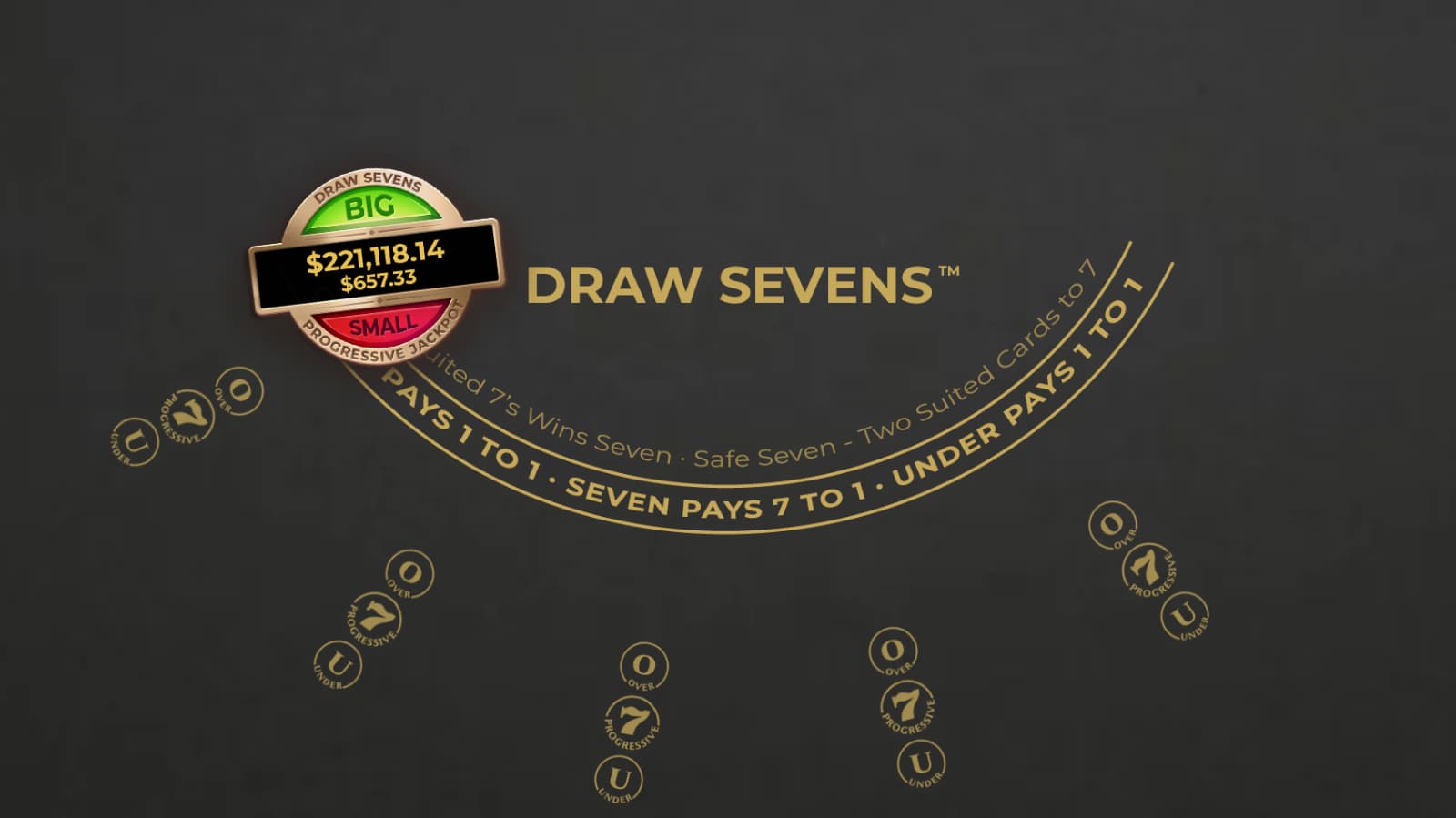 Draw Sevens
Wagercomms
 Fishin’ Frenzy Reely Big Catch Jackpot King
Blueprint Gaming · 89.5% RTP
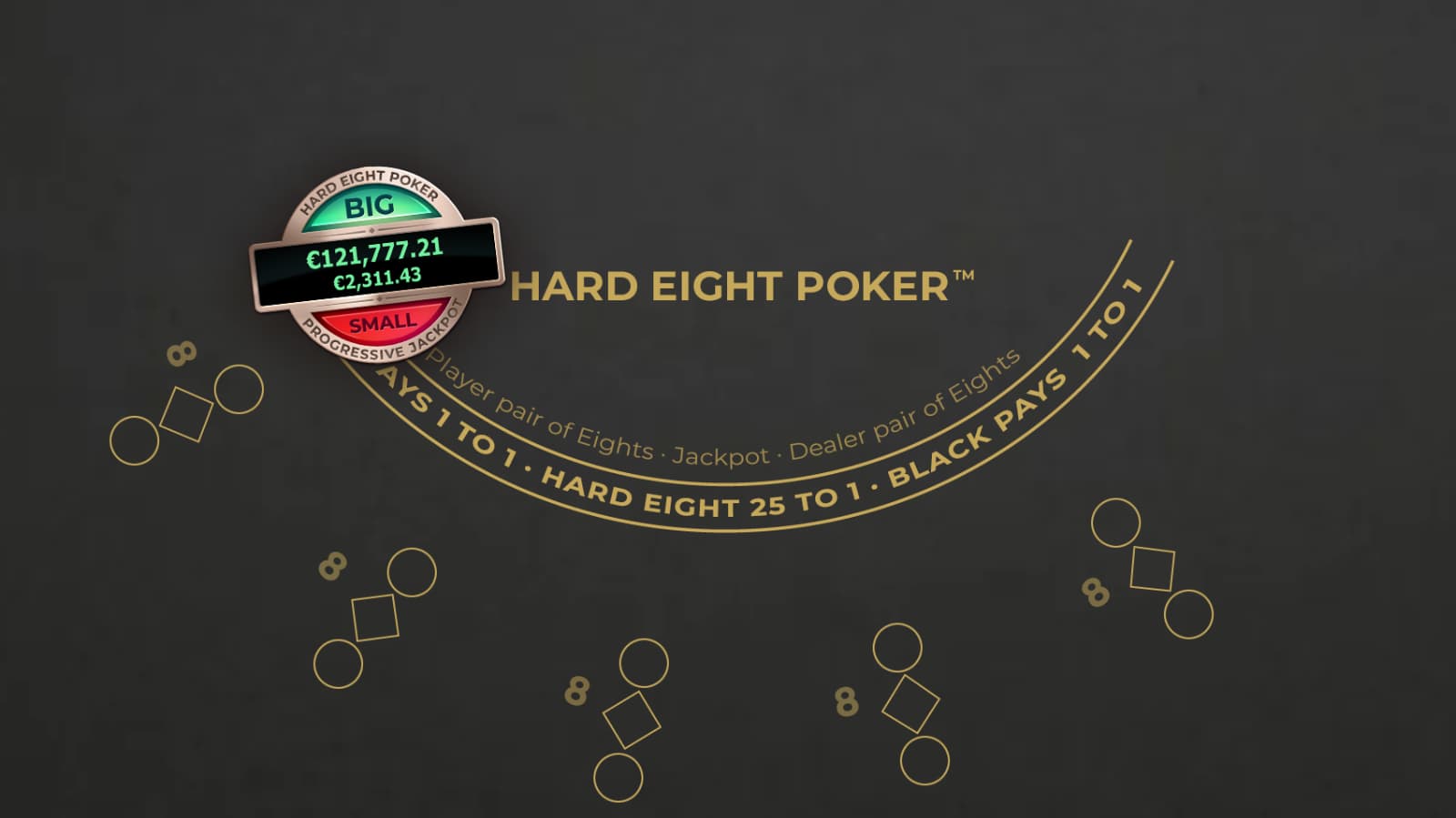 Hard Eight Poker
Wagercomms · 97.26% RTP

 Shining Crown
Amusnet · 96.37% RTP · Medium
 Skull Coins
Amigo Gaming
More terminology
- Provably FairProvably fair is a cryptographic method, common in crypto casinos, that lets players verify after each round that the outcome was fixed before they bet.
- Revenue Share (RevShare)Revenue share pays an affiliate or partner a percentage of the net revenue from the players they refer, for as long as those players stay active.
- RNG (Random Number Generator)An RNG (random number generator) is the certified software that decides every outcome in an online casino game, producing results nobody can predict or alter.
- Turnover (Handle)Turnover, or handle, is the total value of all bets placed over a period, before any winnings are paid out — the measure of betting volume, not revenue.
- Wagering RequirementA wagering requirement is how many times a bonus must be bet before winnings from it can be withdrawn, expressed as a multiplier such as 30x.
- White LabelA white label casino is a ready-made online casino run on a provider's platform and licence, which the operator brands and markets as its own.